
It shakes you awake in the middle of the night, sets your heart racing and denies you the privilege of sleep until you deal with it. You grab your dream journal, the back of an envelope or the post-it to buy milk and throw down a blizzard of chicken scratch before the words evaporate like morning dew. The fever broken, you crash back in bed with a smile on your face and fall asleep in seconds. Like a thunderbolt, the idea has arrived.
The idea is so obvious that surely someone else already filmed it. A quick zip through the Interwebs and… nope. You’re wide open! You and the idea collide in a perfect storm of golden premise, seasoned talent and childlike passion and suddenly this thing is writing itself. When the smoke clears, you are staring at The Script. The best damn thing you’ve ever written and an unimpeachable, undeniable contender for the best movie anyone is likely to see in the days, weeks and years ahead. Best of all, you know a gal at Sony Pictures who can slip your hundred and twenty page gem to the story department for coverage before anyone realizes you are a free agent, meaning agent free. And once their professional reader professionally reads this opus, he will sprint madly down the studio hallway through a gauntlet of framed movie posters – crashing into the mailroom guy, buckslips flying everywhere – and into the head honcho’s vast corner office to exclaim, “Boss! I’ve got our next blockbuster!”
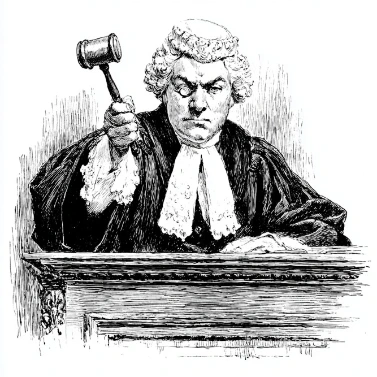
A month or so later, the verdict comes in and sentence is passed. In fact, “Pass” is the entire sentence. You may even see the sliver of coverage – less than a page of plot summary and an anemic paragraph of comments. All you know is that your beloved screenplay, your masterpiece, has been found wanting. More to the point, it has been summarily dismissed out of hand as just another piece of forgettable, pedestrian typing and you have insulted the entire industry by simply asking them to read it. The result is instant and apocalyptic heartbreak.
When you’re young and you fall in love, everything seems magical. You feel like you’re floating and life finally makes perfect sense. When this adolescent love ultimately goes down like the Titanic, you face two kinds of crushing heartbreak. The first is the body blow of rejection. You wanted them to love you and they don’t; perhaps no one ever will! But the second heartbreak is more frightening. You thought you understood things. You thought you had a true understanding of that person, that relationship and even yourself within it. Suddenly, it feels like you completely misread basic reality. That your compass is broken. That you have no idea what you’re doing and never did. The first kind of heartbreak leaves you sad and gunshy. The second kind makes you question whether you know anything at all, especially about yourself.
The same thing happens when you learn that the almighty “they” passed on your script. First comes the blues of rejection; I wanted them to love it (me) and they didn’t. That leaves you bloodied but hopefully unbowed. Then comes the second heartbreak… I thought the script was great but I was wrong. I’ve been deluding myself all along. The professionals have spoken and I’m just an idiot who thought he could write. They have set me straight and all that remains is to burn everything I’ve ever written lest any of it is unearthed decades hence and my progeny suffer the consequences. The scales have fallen from my eyes. I stink. Better to know it now than to ever again shame myself before another industry professional.
This is exactly what happened to a close friend of mine who is a frighteningly good writer. He wrote a damn good script, knew a guy who knew a guy, and got into the story department at Miramax, back when that meant everything. Sometime later, his buddy emailed him Miramax’s coverage, which was as nasty, brutish and short as it could be. My friend was poleaxed. He’d been writing for years, had made real headway and won a few accolades here and there, but now they had spoken. If Miramax didn’t like his script then clearly he was a hack who had no business writing anything. All these years he’d been fooling himself that he contained even a molecule of talent and now, finally, he knew the stark truth. Thank you, Miramax!
At that point, I decided to share some observations about script coverage straight from the horse’s mouth; me being the horse. For starters, script readers at studios, agencies and little boutique film companies are defined primarily by one task and, sad to say, it’s not about finding the next great script.
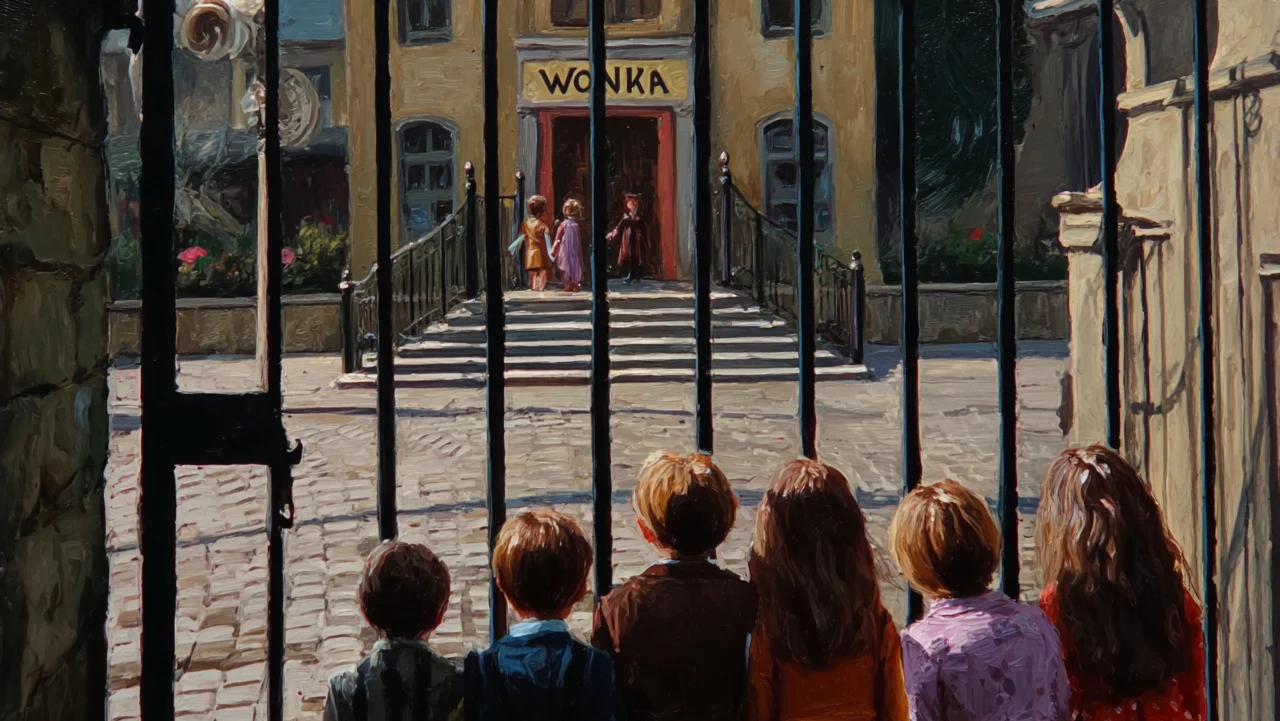
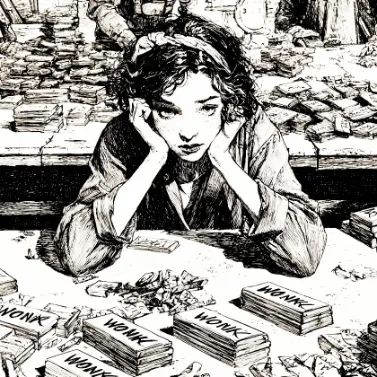
The industry is eternally flooded with an endless river of screenplays but only so many films can be made per studio per year. Yet each one of these zillions of scripts needs to be read, just in case one of them is the next GLADIATOR. Picture the scene from WILLY WONKA AND THE CHOCOLATE FACTORY – the original gem, not the soulless Johnny Depp thing – where Veruca Salt’s harried father has his factory workers grinding through the night, unwrapping endless candy bars in hopes of finding that one golden ticket. That’s how the industry looks at readers. Not as unsung heroes who find impossibly rare golden tickets but as grunts tasked with plowing through endless mountains of chocolate so that the bosses don’t have to.
Unfortunately, this is how readers start to see themselves as well. Not as procurers of rare and brilliant screenplays but as slaves to the grind of endless scripts. Lucy and Ethel, frantically wrapping, hiding and eating chocolates as the conveyor belt of bon bons speeds up faster and faster. To take this analogy further – God help you – what was once thought of as something wonderful and magical, getting your hands on Wonka’s chocolate, is soon seen as pure monotonous drudgery. Similarly, scripts that might otherwise have been savored as delicious are instead preemptively viewed as pointless, endless piecework. When your beloved screenplay lands on the reader’s desk, she doesn’t smile warmly at the sight of someone’s dream laying in front of her. She sees another towering pallet of boxes, filled with bars of chocolate to be futilely unwrapped.
To be fair, I know there are loads of script readers out there who genuinely try to be objective and even hopeful every time they sit down to cover another script. Readers who are rooting for the writer and the screenplay because everyone wins if a great script appears out of the blue. But the sheer volume of scripts forever flooding the industry creates the sense that screenplays are like dirty dishes at a giant restaurant. They never stop coming and if you don’t deal with them they’ll swamp the joint. Most of all, everyone is sick of the sight of them. Given this industry wide view of screenplays as piles to be dealt with rather than works to be embraced, it’s almost impossible to escape the negative bias that preemptively colors many a reader’s objectivity before they glance at page one.
This was my key point to my buddy about his script; no one likes piecework but a reader can take out his frustration on you by dismissing the script he didn’t want to read in the first place. The fact that my friend’s script was slipped through the gatekeepers and was kinda sorta a favor for someone else meant that the reader was given this as extra work… on top of his official pile of screenplays from the agencies. You can only imagine how fast and furiously the reader knocked off this freebie before getting back to the mountain of “legit” scripts still waiting on him.
But there’s another reality that makes this traditional scenario seem ideal by comparison. Yes, for every jaded reader who views your unread opus as drudgery there is another reader out there fighting for great scripts to make their way to greenlights. But these days, because the industry views scripts ever more dismissively, the film companies often no longer bother to pay professional readers to analyze them anyway. It has long been Hollywood’s opinion that anyone can write a good screenplay, so the day was bound to come when it was determined that any moron could critique them too. The following is not “based on a true story.” It’s simply what happened.
Twenty plus years ago, just before becoming a script reader, I landed a temp job for several days at ICM, which was one of the three most powerful talent agencies on the planet. I was thrilled. This was where unsung scripts were transformed into feature film projects. Where screenwriters were discovered and launched to fame and fortune. I was in the belly of the beast! Maybe between answering calls or making copies, I’d get a chance to read one of the A-list scripts that were floating around the building.
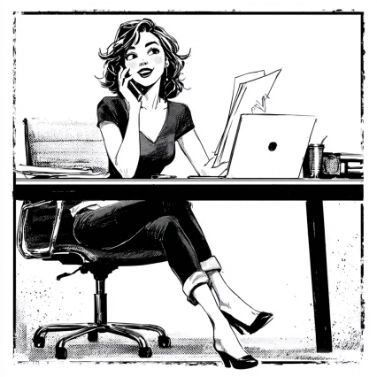
I was working outside the office of a particularly loud and poisonous talent agent – think SWIMMING WITH SHARKS, a movie that barely exaggerates – next to the desk of the agent’s young female admin. His screaming at people didn’t faze her, so she’d clearly been working for him for ages. When she wasn’t “rolling calls”, she was on the phone with friends or flipping through magazines. At some point, he appeared next to her, “Where’s that coverage?” Almost startled, she replied, “Oh, I had to finish (XYZ), but I’m almost done with it.” “I need it by lunch.” She smiled, “You got it” and he stalked off to drown some kittens.
How exciting, I marveled. She’s doing actual coverage of a screenplay that made it through the hallowed gates of ICM! This I gotta see! And see I did…
Lunch was in half an hour, but she was almost done with the coverage, so this would just be dotting the I’s, right? Wrong. Still on the phone, she told her friend she had to jump off to cover a script. When the friend clearly asked about it – who, what, when, where – she snorted a laugh, “I don’t know, whatever.” She opened the script – to page one – and began reading it. Okay, “reading” would be a generous interpretation. She flipped through it like a SkyMall catalog on the redeye while she waited for the drink cart. While speed-scanning the script, she began typing something up for Dracula to peruse before the half hour was up. Meanwhile, she was still rolling calls, sorting the agent’s mail, talking to another friend on the phone and joking with me! When the half hour was up, Gargantua returned, she handed him her Easy Bake coverage and went back to her phone calls and magazines.
I thought I was hallucinating. This couldn’t be real. This was ICM, the legendary gateway where only the best screenplays got through the door, to be reviewed and critiqued by the most seasoned professionals in the film industry. How was it possible that someone’s screenplay – which they’d painfully birthed over months or years – was fobbed off to the nearest zombie for a thirty second review between phone calls and Vanity Fair? Surely, this gal would be fired or at least given a stern yelling to by Dracula once he realized she hadn’t read the dang thing at all and had barely tossed together this inedible word salad in place of actual coverage. I mean, this was ICM. There were standards!
When her day of judgment never arrived, I realized the truth. All she needed to do was write that the script was a “pass” and the agent wouldn’t bother reading the rest of the coverage. She escaped her task by bailing him out of his. And why? Because scripts are bars of chocolate and everyone is sick of them. Keep in mind that she was asked to cover the script well before I had shown up. She did everything but read a script over the day or two I’d been there. It was only when the agent asked her where the coverage was that she scrambled to bang it out mere minutes before lunch.
If I sound like I’m blaming Dracula or his gal Renfield, I’m not. The blame lies with the industry. When screenplays are devalued to the point that any nitwit will suffice to review them, the message becomes crystal clear. Script coverage doesn’t have to be done right. It just has to be done. There’s always another oil tanker of scripts on its way, so just ‘get er dun.’
If I’ve painted too bleak a picture of how script coverage plays out in the industry, this was not my intention. There are still platoons of great readers out there in the trenches finding great scripts for all of us to love. I wrote this missive not to dishearten but to illuminate a more important truth. If your script gets a “pass”, that is not an objective, scientific statement. It’s a messy, subjective, human one. Yes, “they” spoke but who the hell are they? God? Spielberg? More likely an overburdened script reader or the intern who started last week. Either way you should never take that judgment to heart. It does not come from on high and should not be viewed as the eleventh commandment. It’s just an opinion and, like a body part that bears a striking resemblance to a talent agent I once knew, everybody’s got one.
In the end, the only opinion that really matters is your own. Believe in yourself, come what may. If you are a writer, this is your sacred duty. You wrote a screenplay and someone else may view it as just another confection in an endless mountain of the same, but you know better. “We are the music-makers, and we are the dreamers of dreams…”
And you’ve got a golden ticket…